Learning how to understand migrations through critical, decolonial lens: the Lives in Motion toolkit is truly 'in motion'
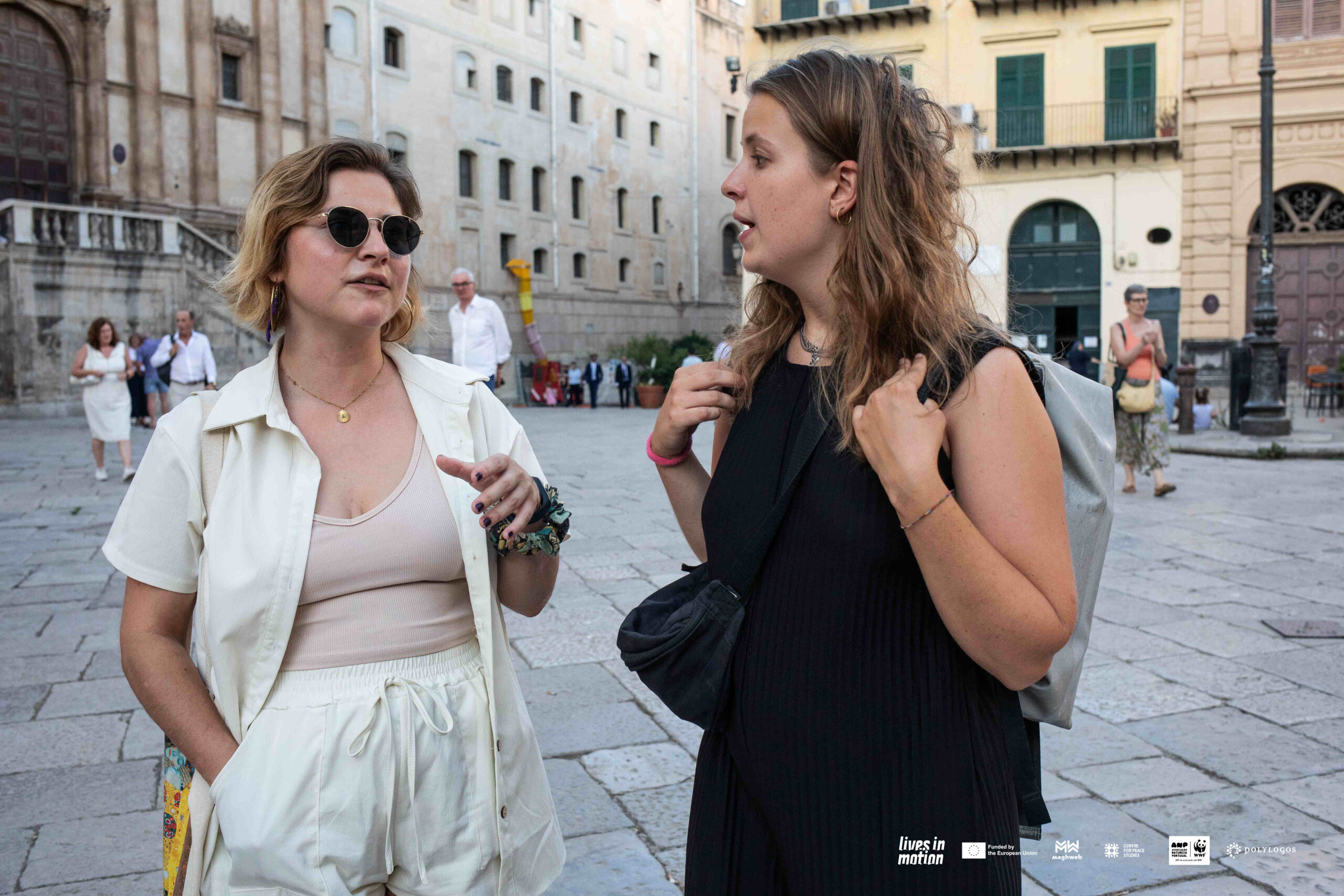
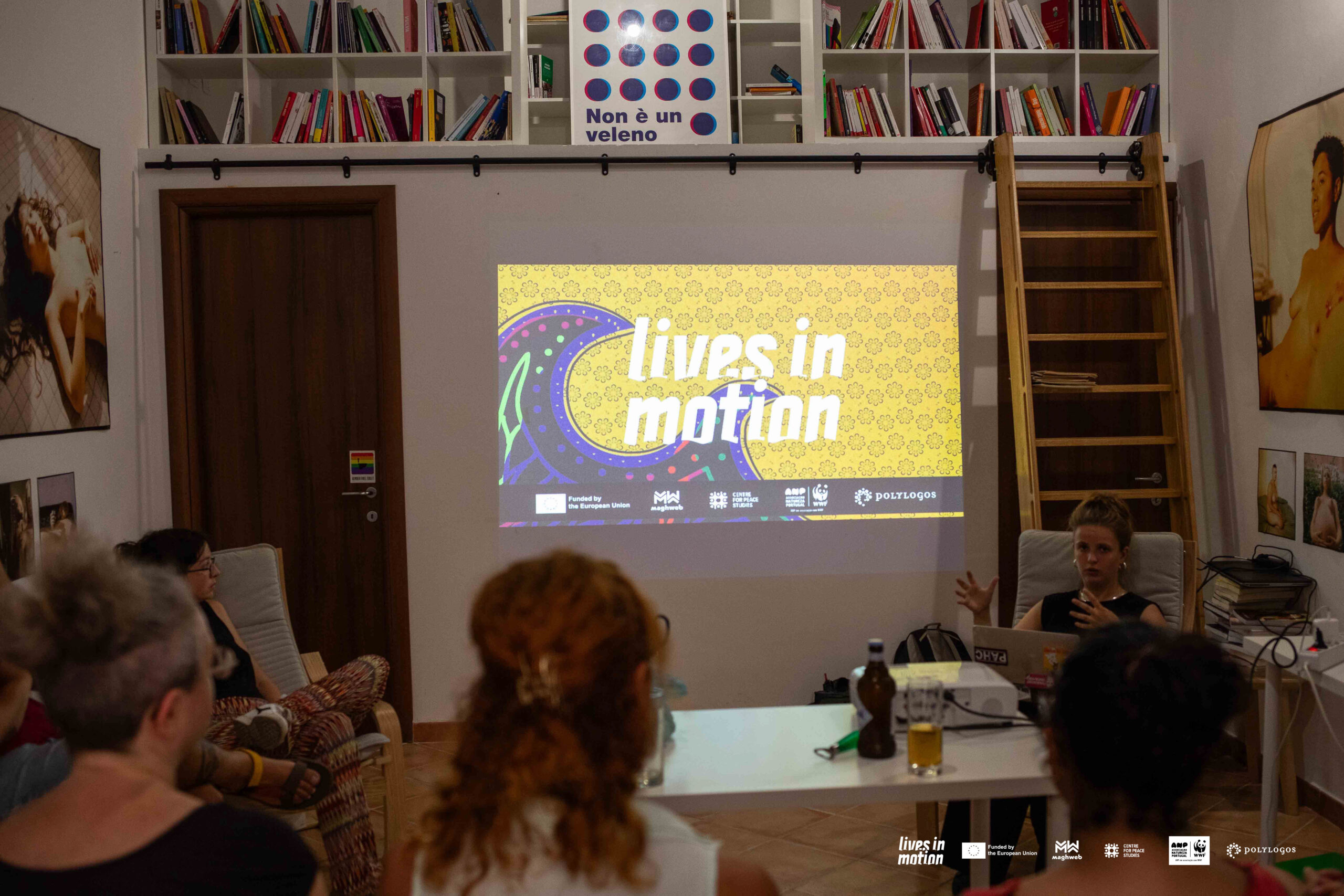
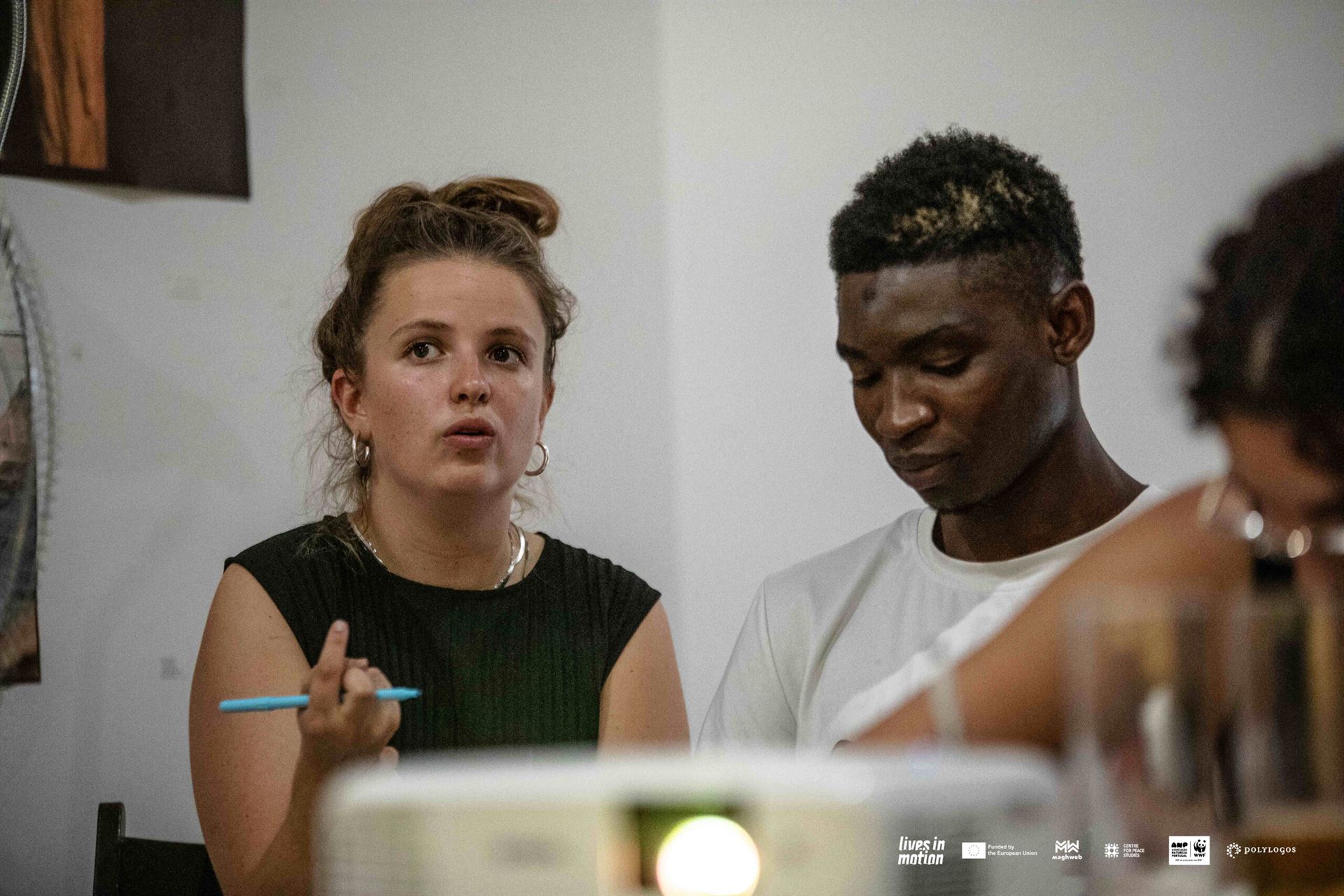
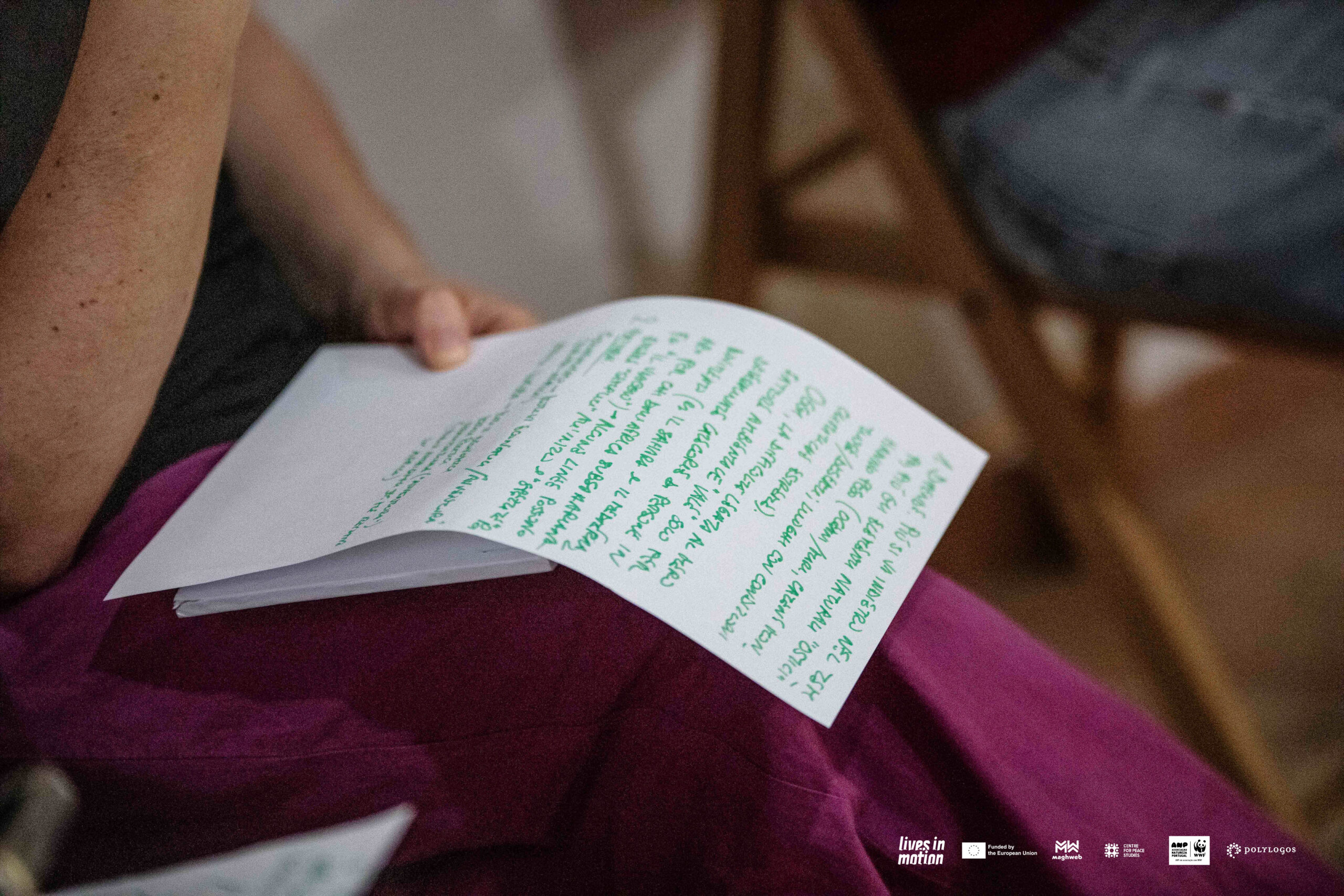
Thanks to a series of intensive development sessions in Palermo involving the delegation of international and local educators, members of the Migration, Rights and Integration Master’s Degree and a local alternative cartography expert, the partnership has defined the next steps for the toolkit’s collaborative creation. The gathering enabled the educators to assemble their different critical and cultural gazes on migrations and collectively form the concrete details of each fundamental element of the educational resource through dynamic non-formal activities.
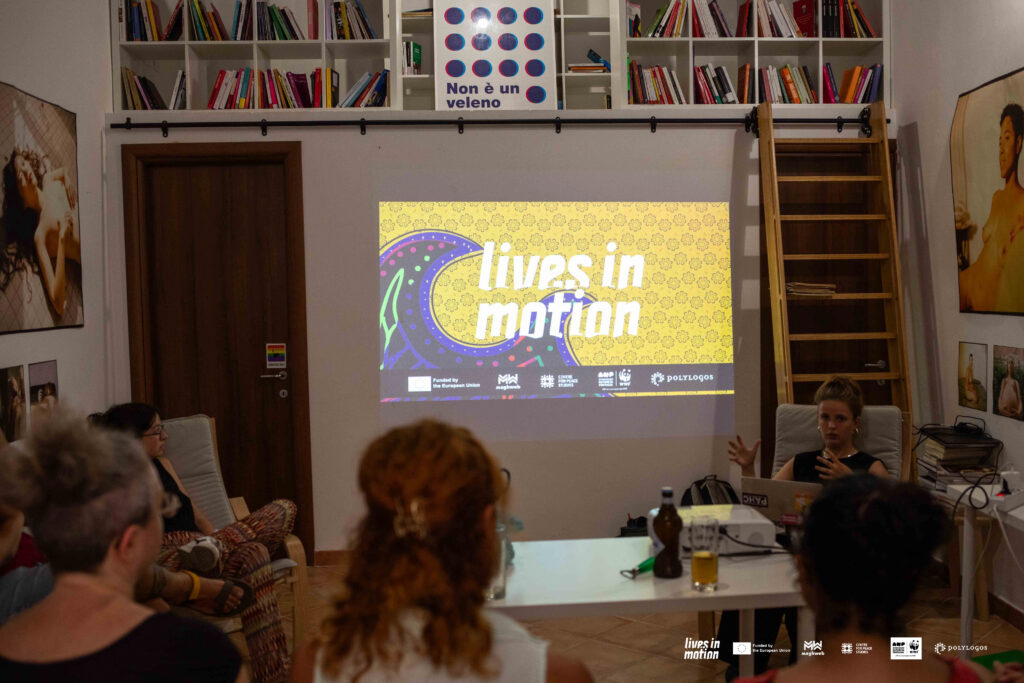
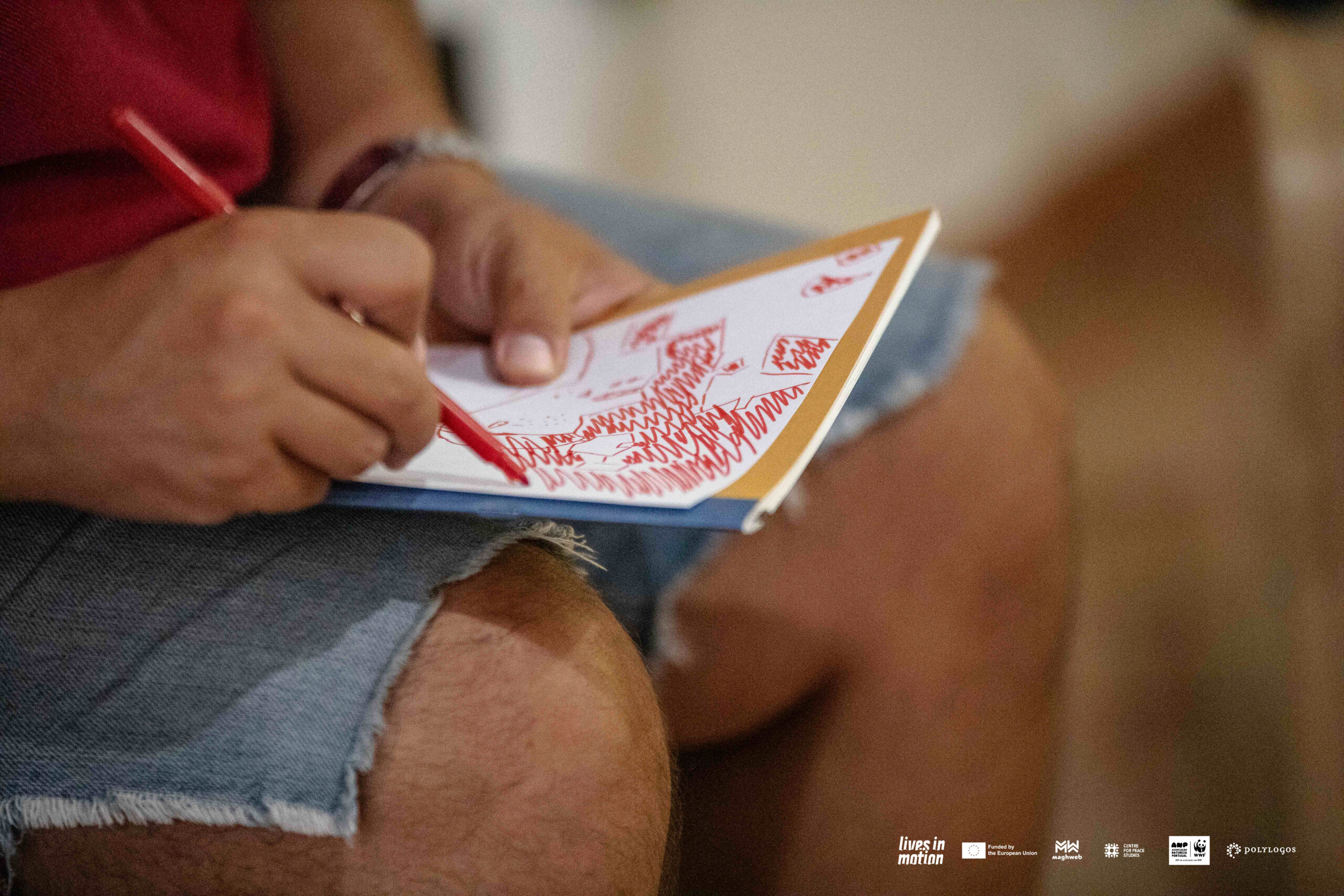
An “imaginative mapping session” helped participants establish the multi-directional directions of the patterns of human movement that will be documented in the first part of the toolkit: an alternative, decolonial map of economic, political and environmental migrations from Europe to Africa, Africa to Europe, the Middle East to Europe, Eastern to Western Europe, Northern to Southern Europe and vice versa.
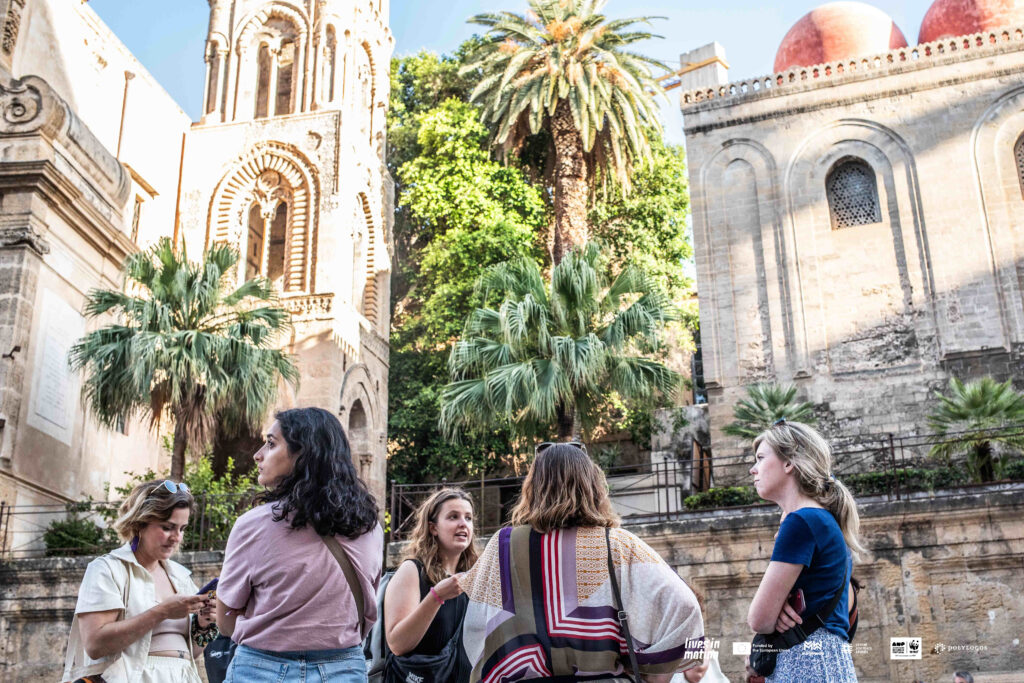
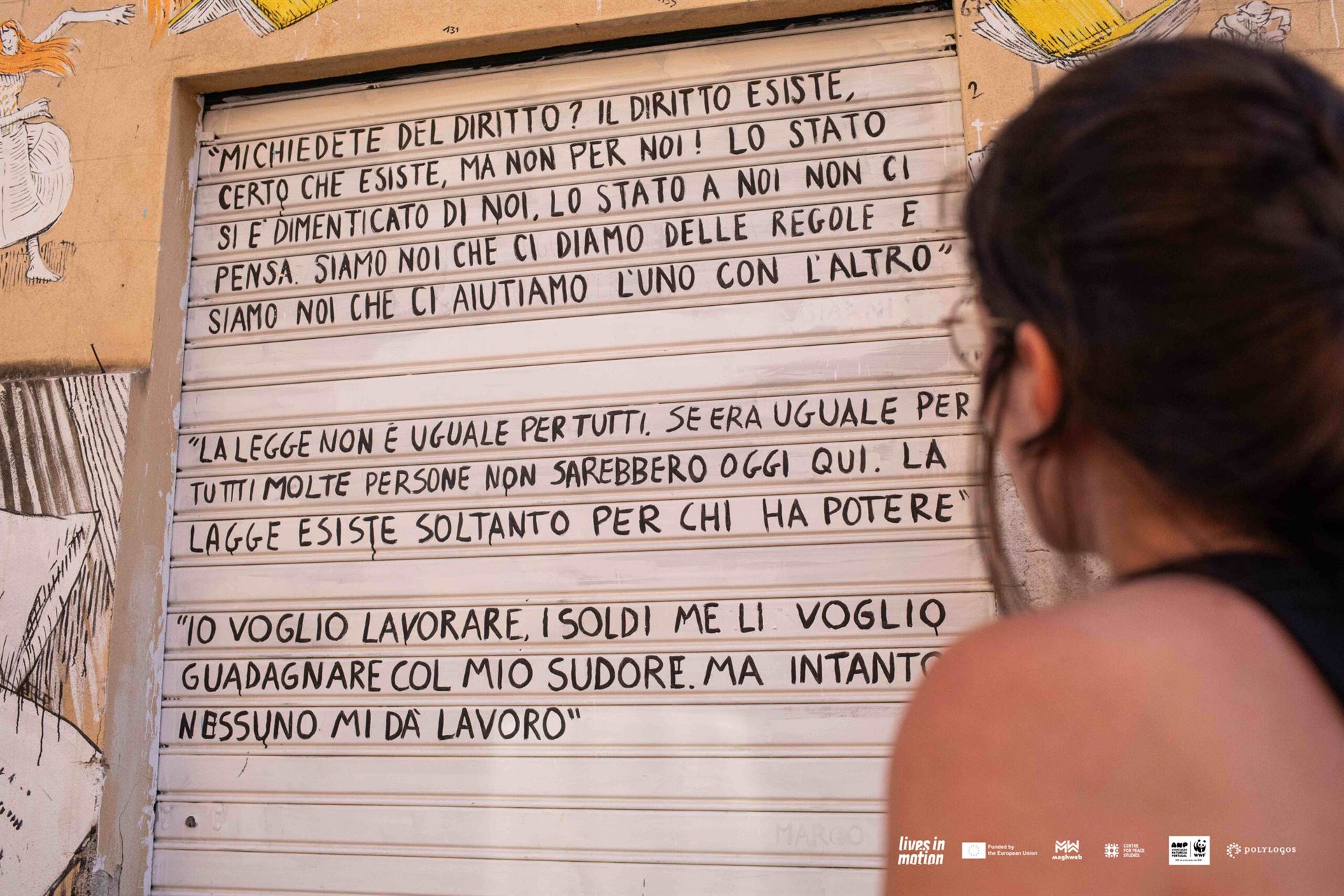
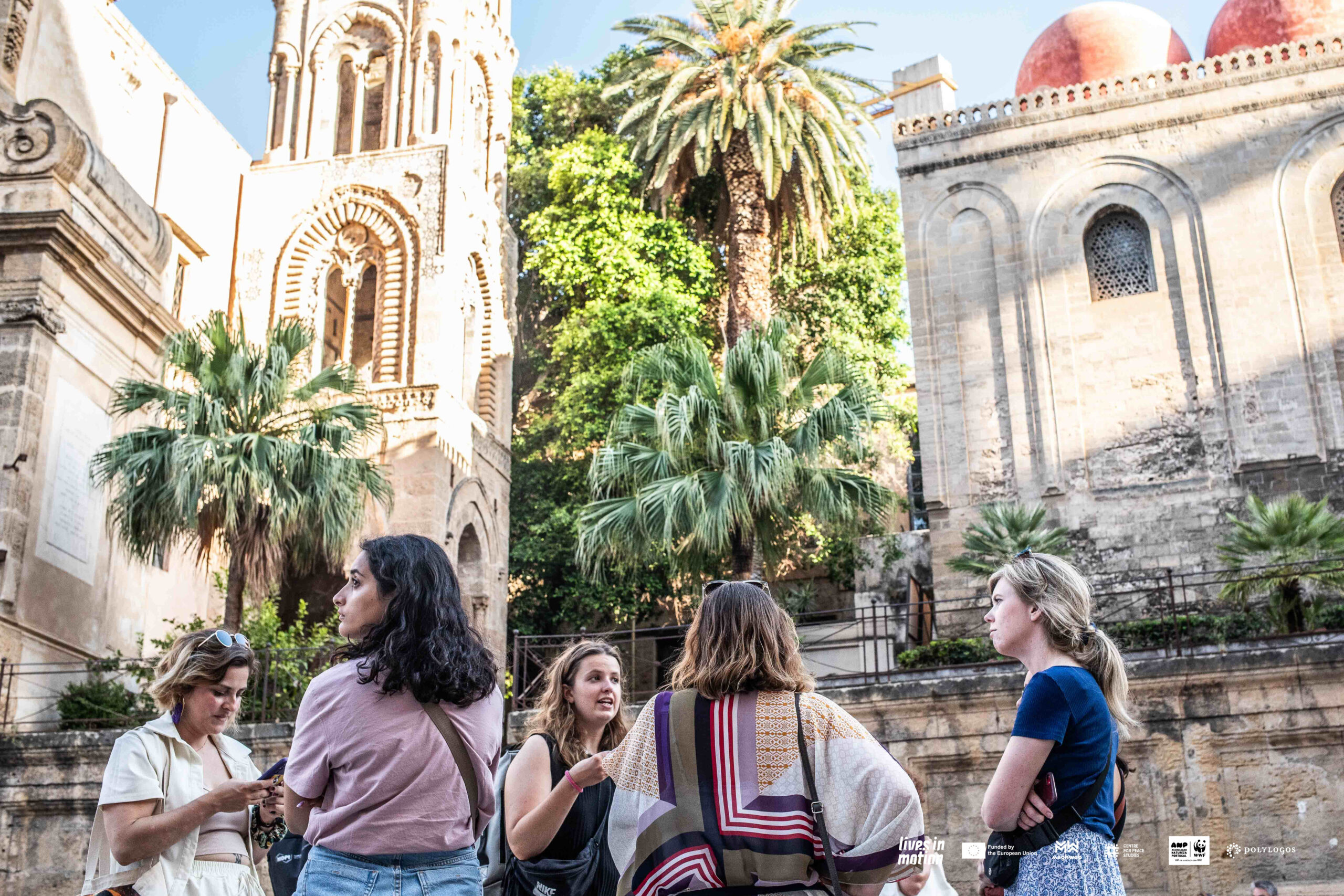
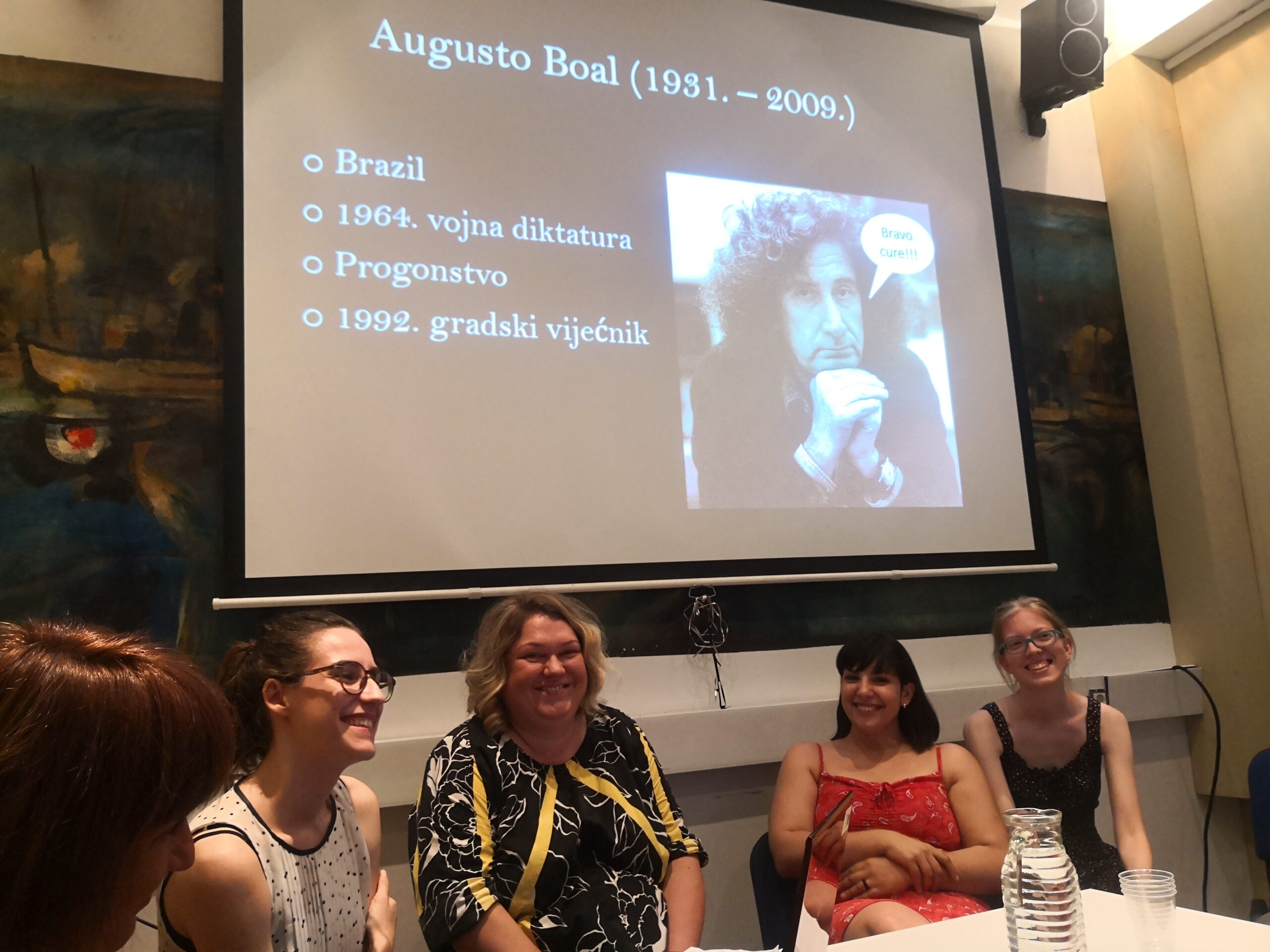
A city tour through Palermo’s street-art style testimonies of the daily reality of living in multicultural communities and work environments inspired the development of interview and research questions for the toolkit’s six contemporary and historical testimonies, the profiles of which were also defined and voted on during the event. A trial session of various theatre of the oppressed methodologies enabled the educators to define the founding elements of the toolkit’s empathy-driven role play game: the contradictory and complex emotions of different kinds of migrations, task-based roles with different power positions and scenarios which recreate the key stages of any given migration which will be present in the testimonies’ stories. The development of the resource is now in full motion, empowered by the participants’ collective desire to counteract reductive narrations of migrations and actively take part in Europe’s decolonial educational movement and the creation of knowledge that “unseats colonially produced structures of coercive power and technologies of permanent dispossession and dehumanisation that threaten human and planetary survival.” (Foluke Adebisi, 2023)

Funded by the European Union. Views and opinions expressed are however those of the author(s) only and do not necessarily reflect those of the European Union or the granting authority. Neither the European Union nor the granting authority can be held responsible for them.